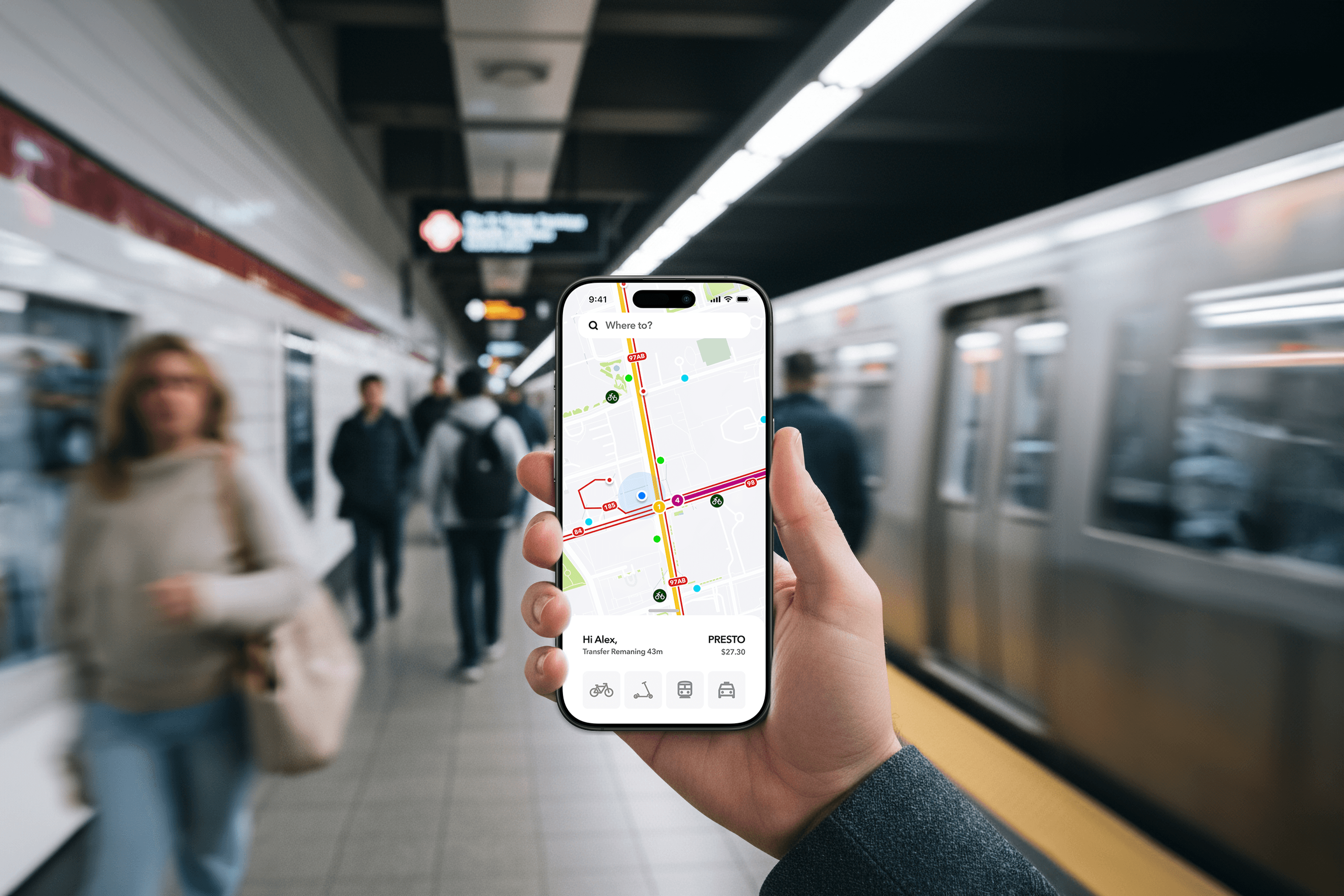
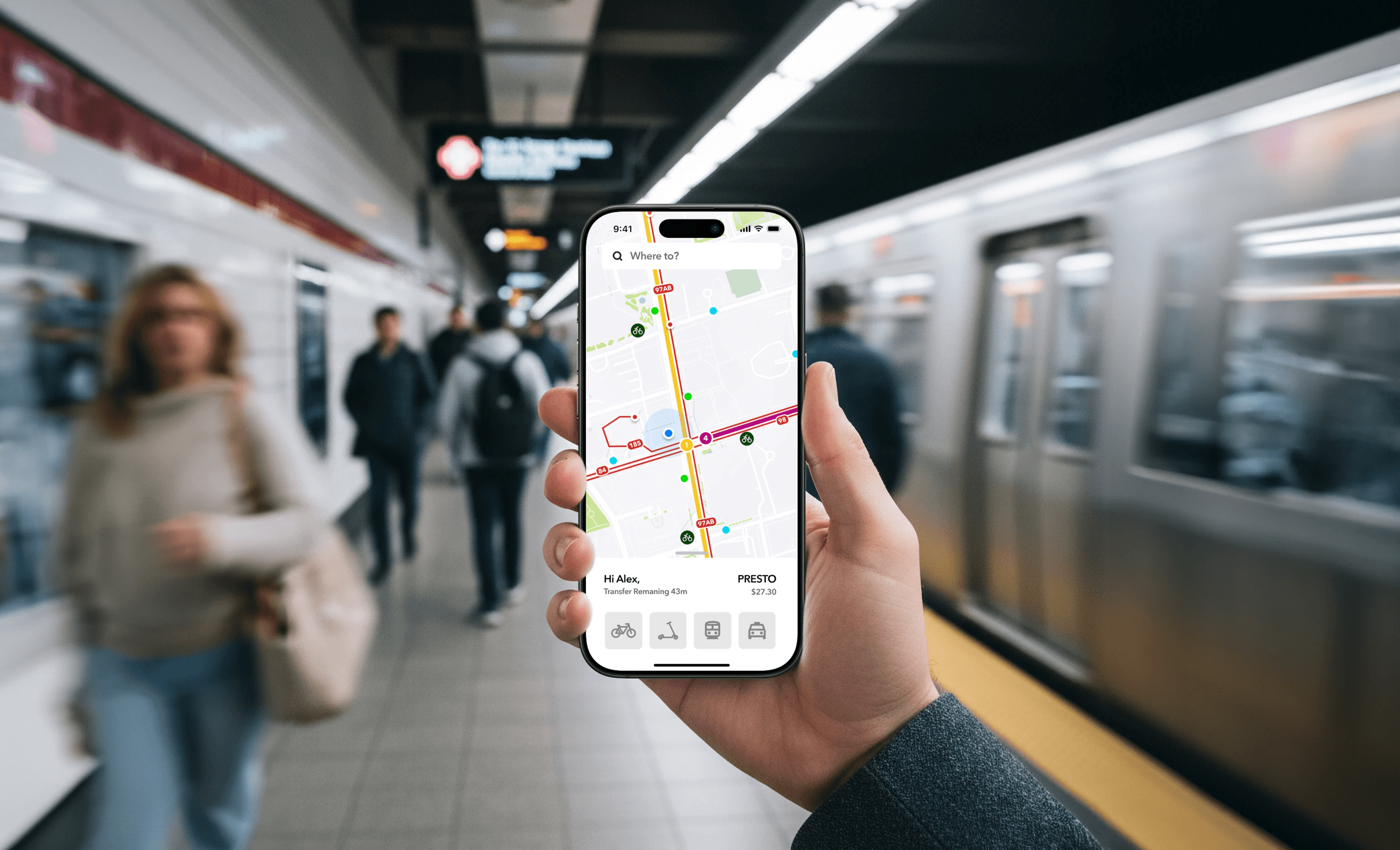
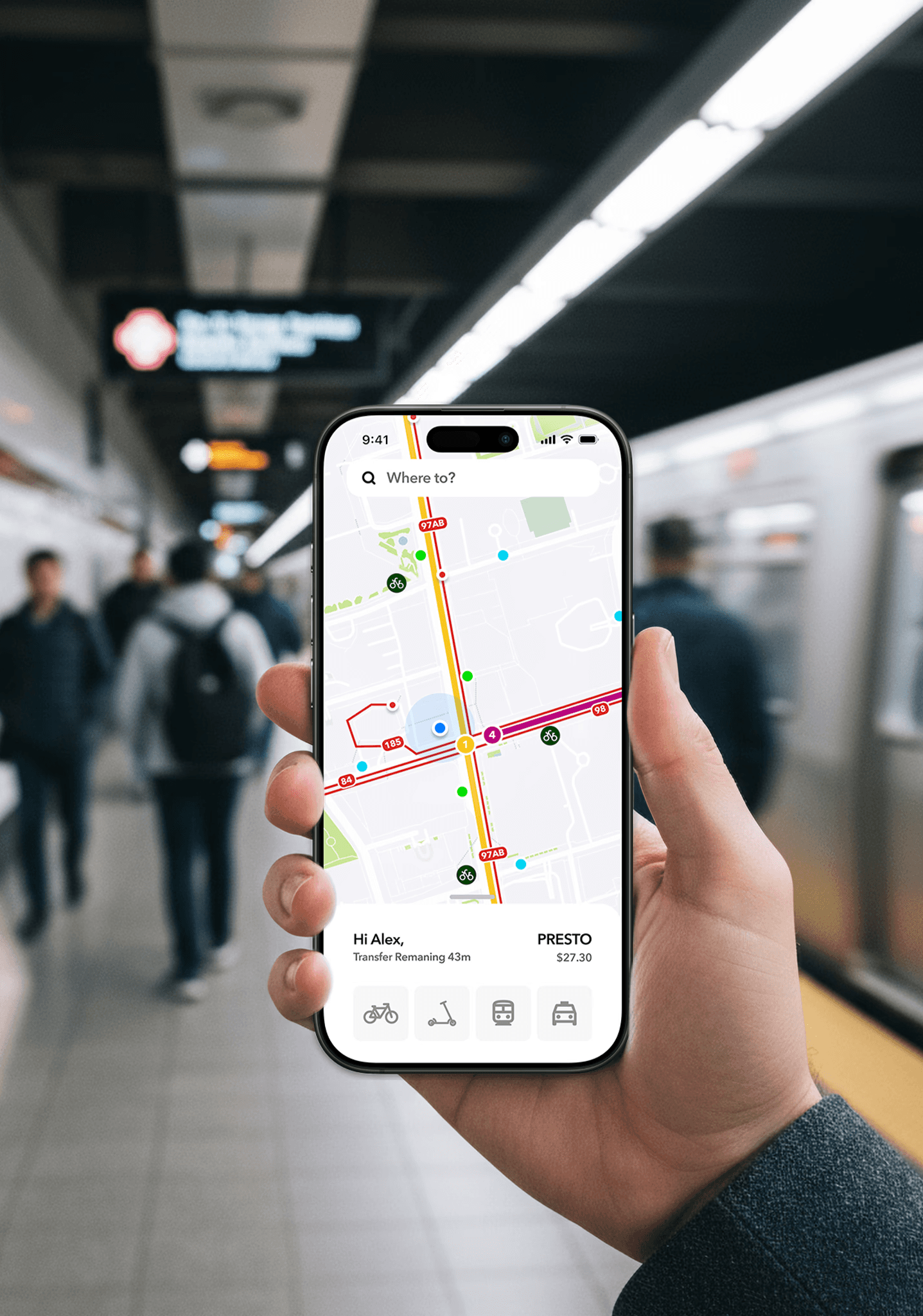
Servicing across all cities in the entire Greater Toronto Area (GTA) and leveraging integrated payment through existing Presto infrastructure.
2025
[MaaS]
Mobility
As a Service
Role
UX Design
User Research















Rider Core Insights
Demanding real-time updates
%
of Users
Demand
%
of Users
Demand
%
of Users
Demand
Stop Changes and Route Updates
Key Decision
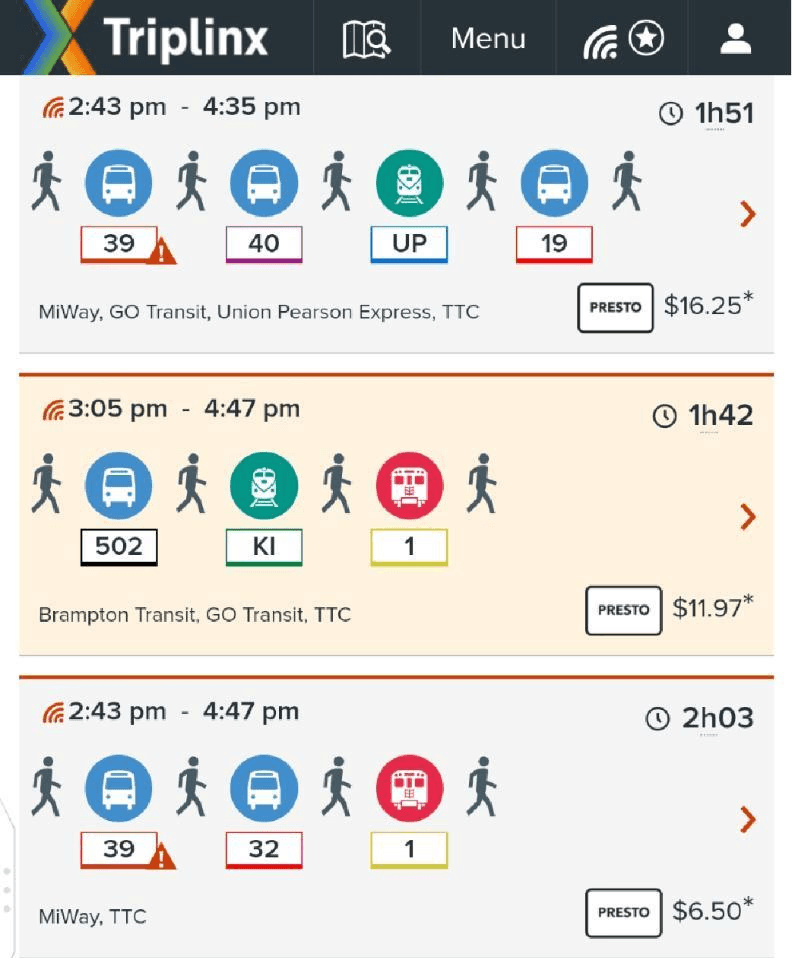
Triplinx (2015 – 2025)
Confusing, poorly organized & glitchy
The now retired Metrolinx platform that was aiming for full local integration. Garnering a mediocre 63% satisfaction score, proved that simply providing information isn't enough.
The Target User?




























































































































































Defined as a user who relies on two or more distinct transit networks – prioritizing both speed and cost control.
The issue is not
a lack of options.
It's the lack of
a single tool
to rely on.
Analysis
Competitive Context
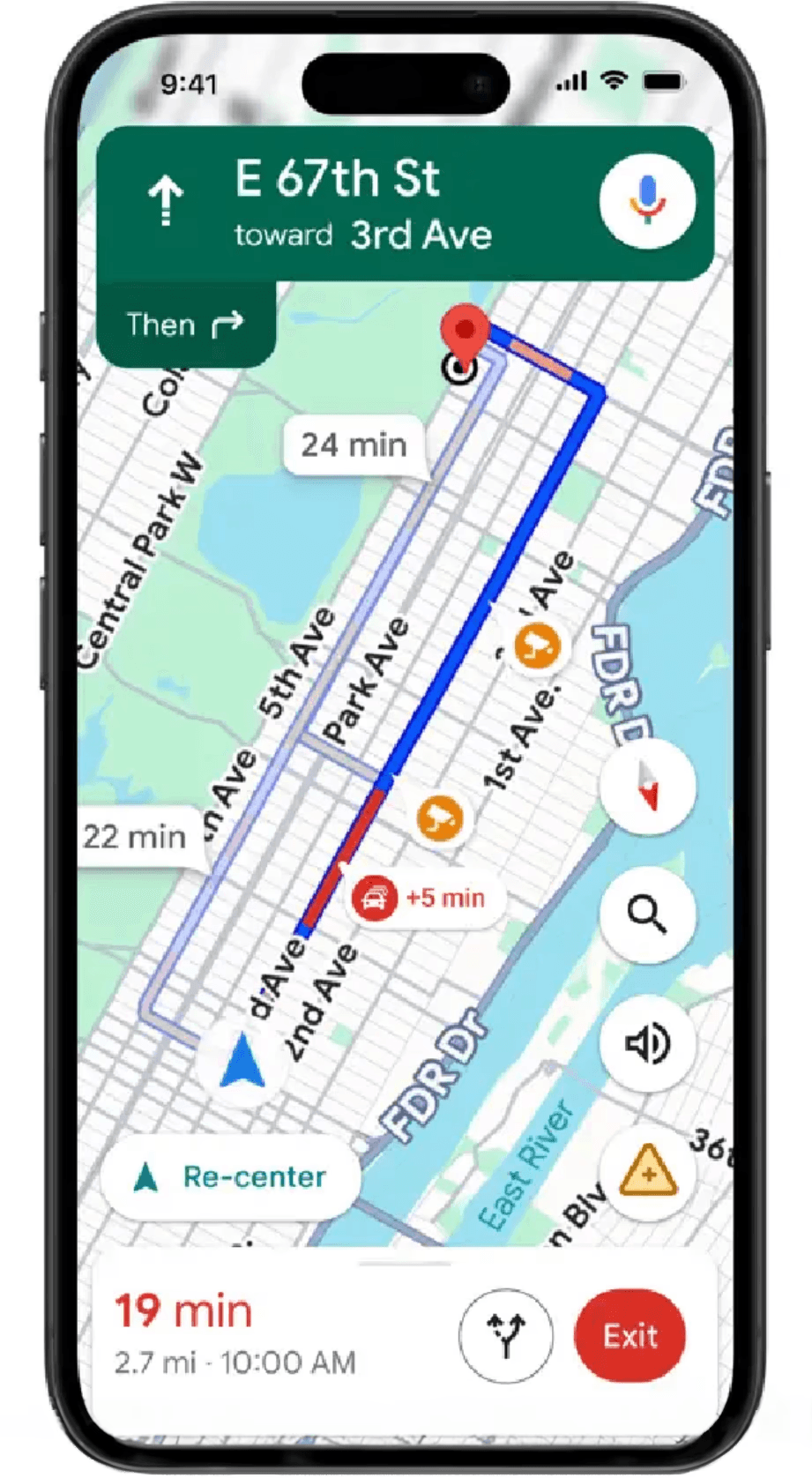
Competitive analysis confirmed that local existing solutions are data aggregators, and fail for full integration.
Precedence Study
Pros
Seamless exploration and discovery
Ubiquitously available data
Cons
No fare/transfer integration
No e-mobility integration
Opportunities
Fare integration
Unifying e-mobility
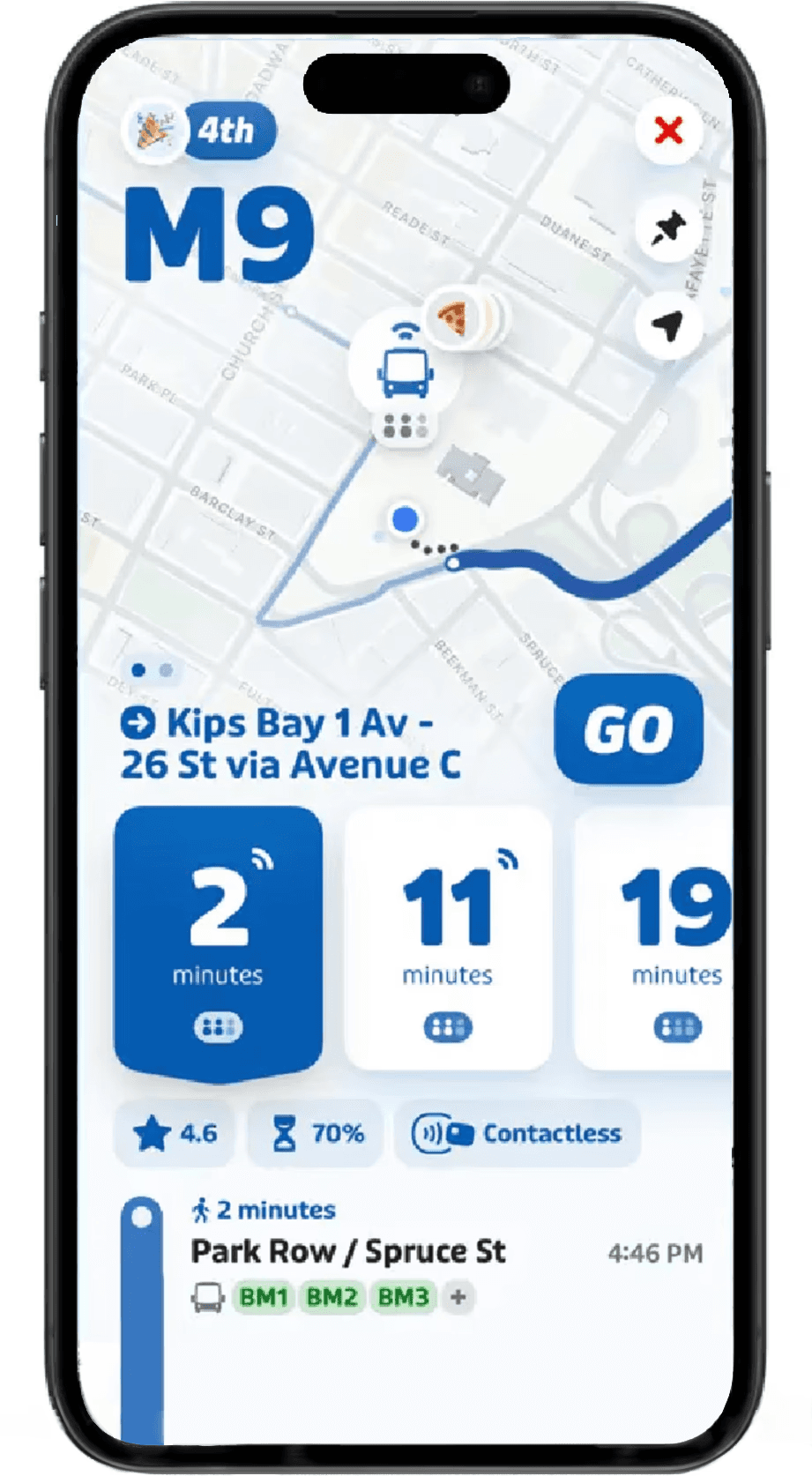
Transit
Data Aggregator
Pros
Strong real-time data
Thriving alternative to Google Maps
Cons
Poor multi agency flow
Lack of price transparency
No e-mobility integration
Opportunities
Unified route comparison balancing time & cost
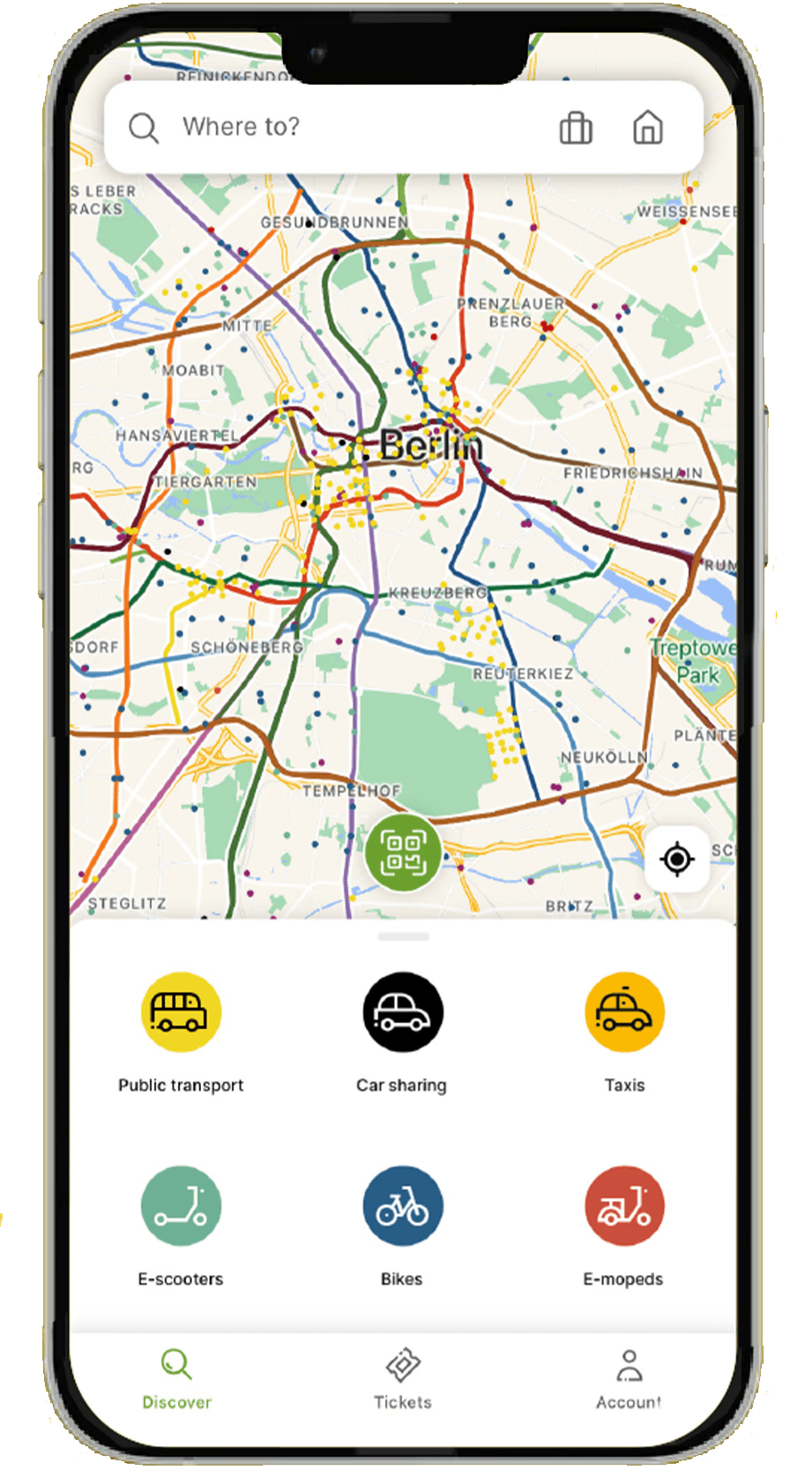
Jelbi (Berlin)
Pros
Deep transactional integration of 13+ modes
Cons
Requires high institutional alignment (Gov. ownership)
Opportunities
Complete transit management designed for full integration
Developing
Feature Prioritization
Our design was engineered to directly combat the three biggest "confidence killers" identified in research: fare uncertainty, transfer anxiety, and last mile friction.
Data Backed Strategy
89%
59%
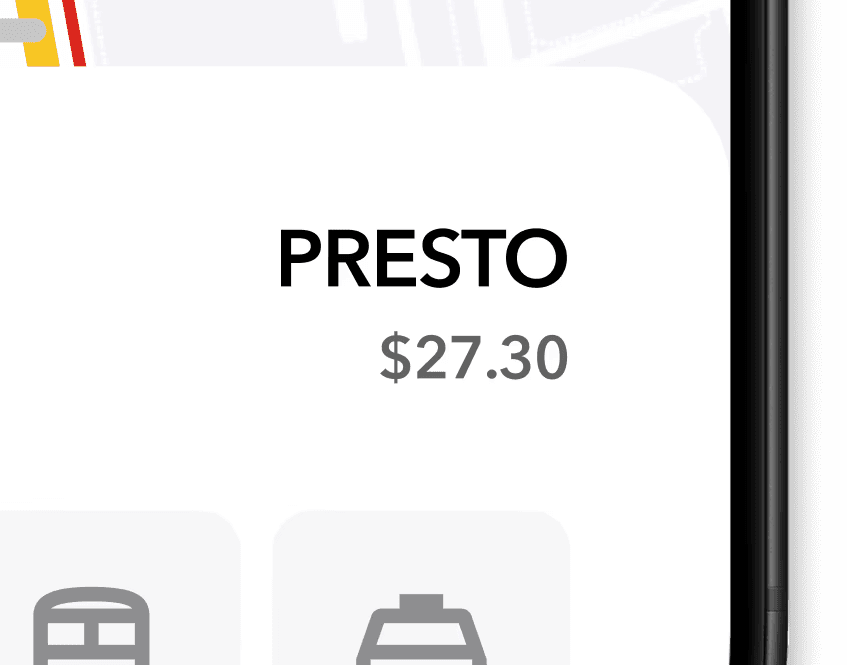
Desire a PRESTO wallet balance for informed decisions

Design Execution
a
Wallet balance and fares on routes. A proactive answer to users top financial question.
Feature #1
Live Account Balance
Feature #2
Total Fare Cost
Project Structure
Information Architecture
IA Strategy
Prioritizing Decisions First
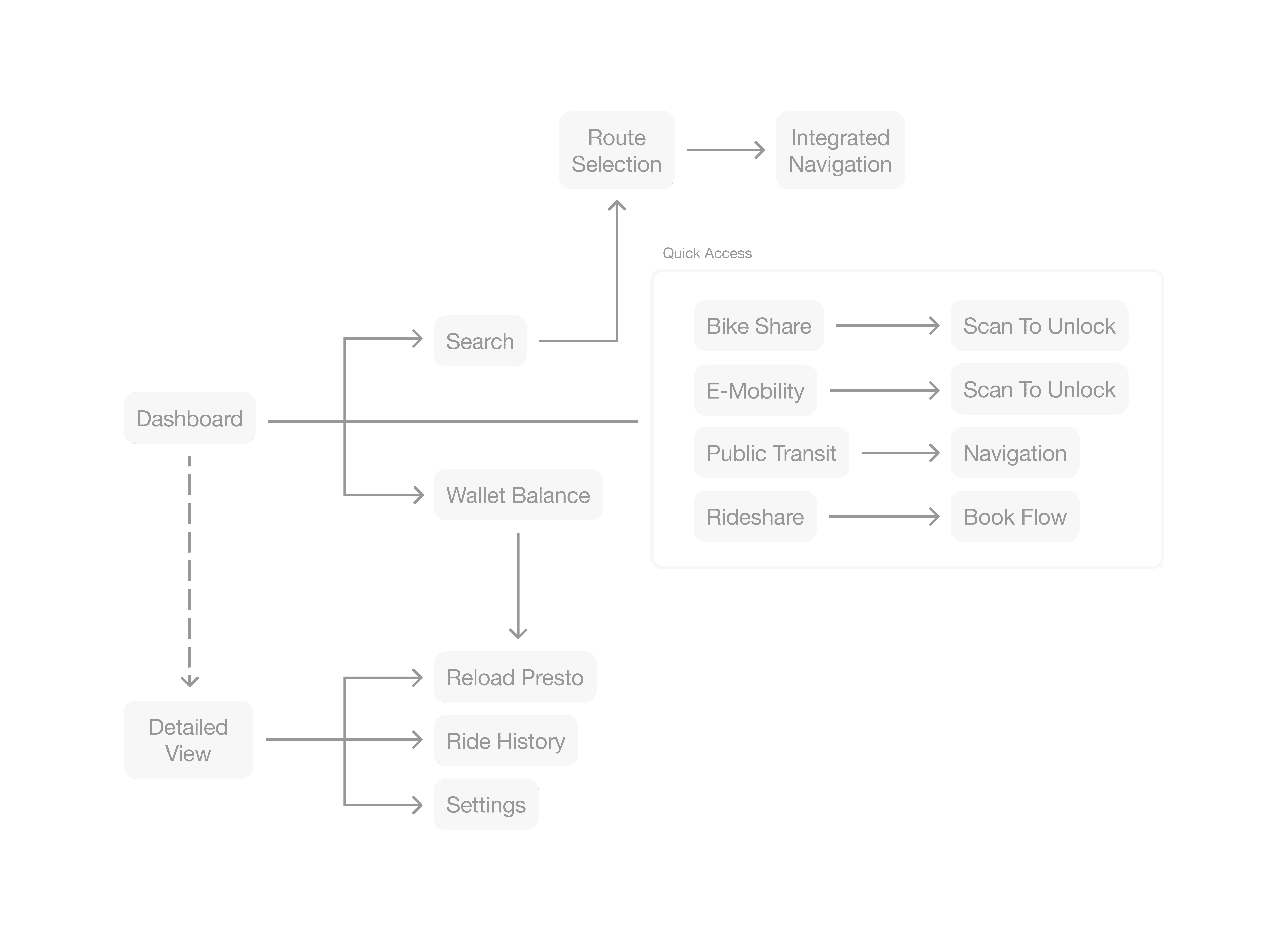
To combat deep menus, I flattened the hierarchy into a Decision First Model - ensuring all actions are immediately accessible.
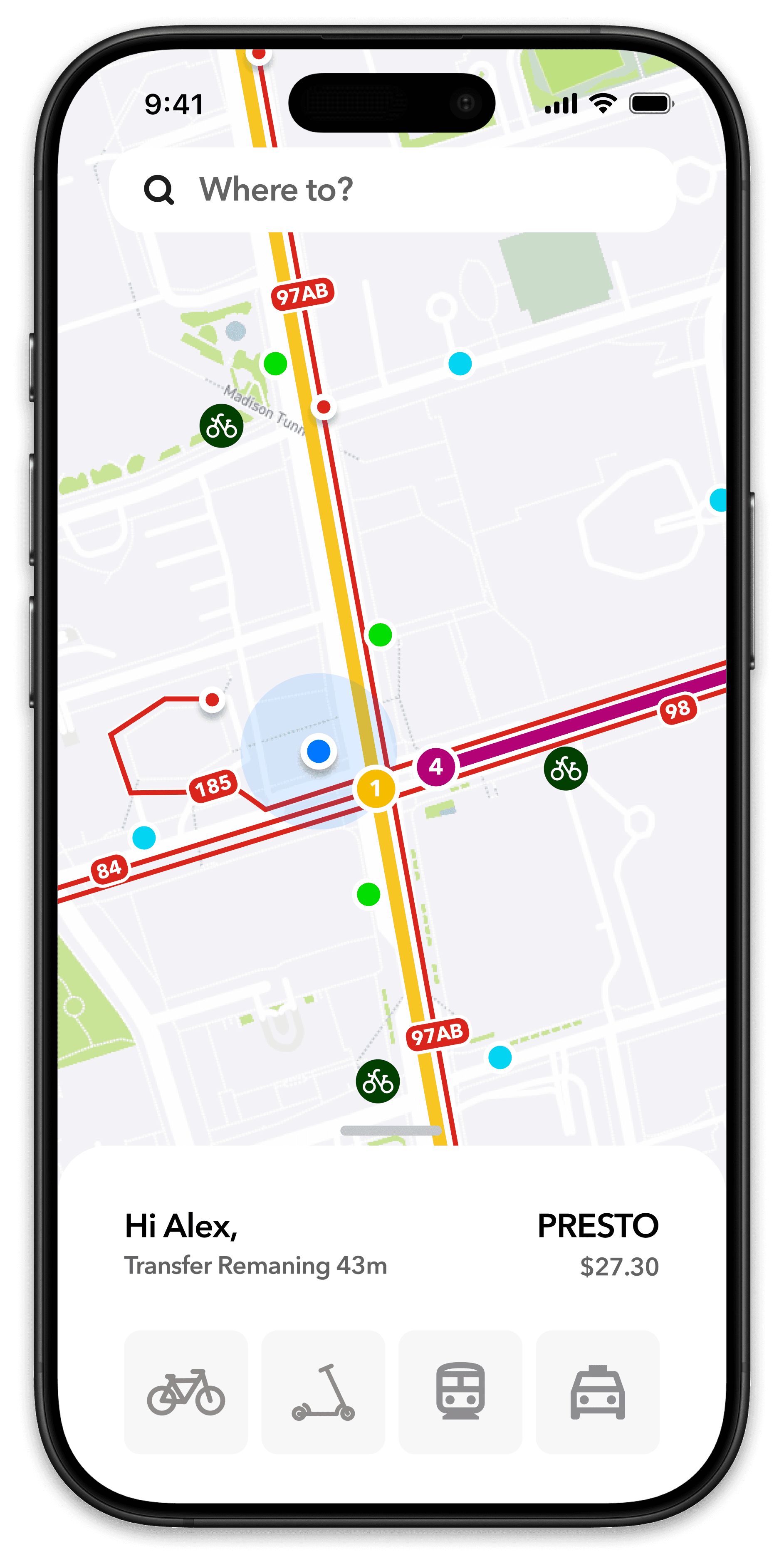
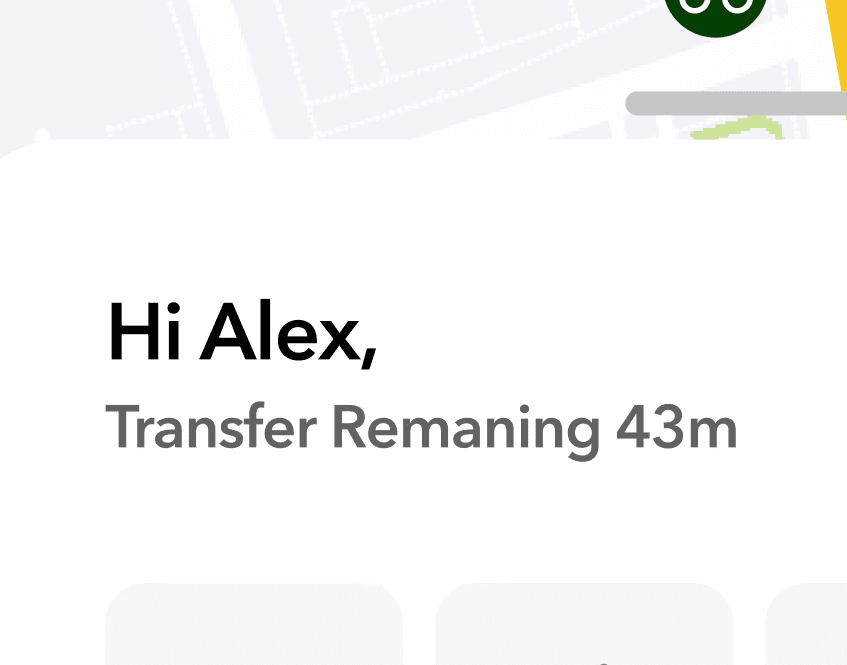
The Dashboard acts as a persistent status indicator, prioritizing immediate data: location, wallet, and transfer, orienting the user instantly before they act.
Contextual Access
The flow prioritizes immediate mobility over administration, using a shallow depth structure to reduce interaction cost, as well as to maximize map screen real estate.
Detailed View Partition
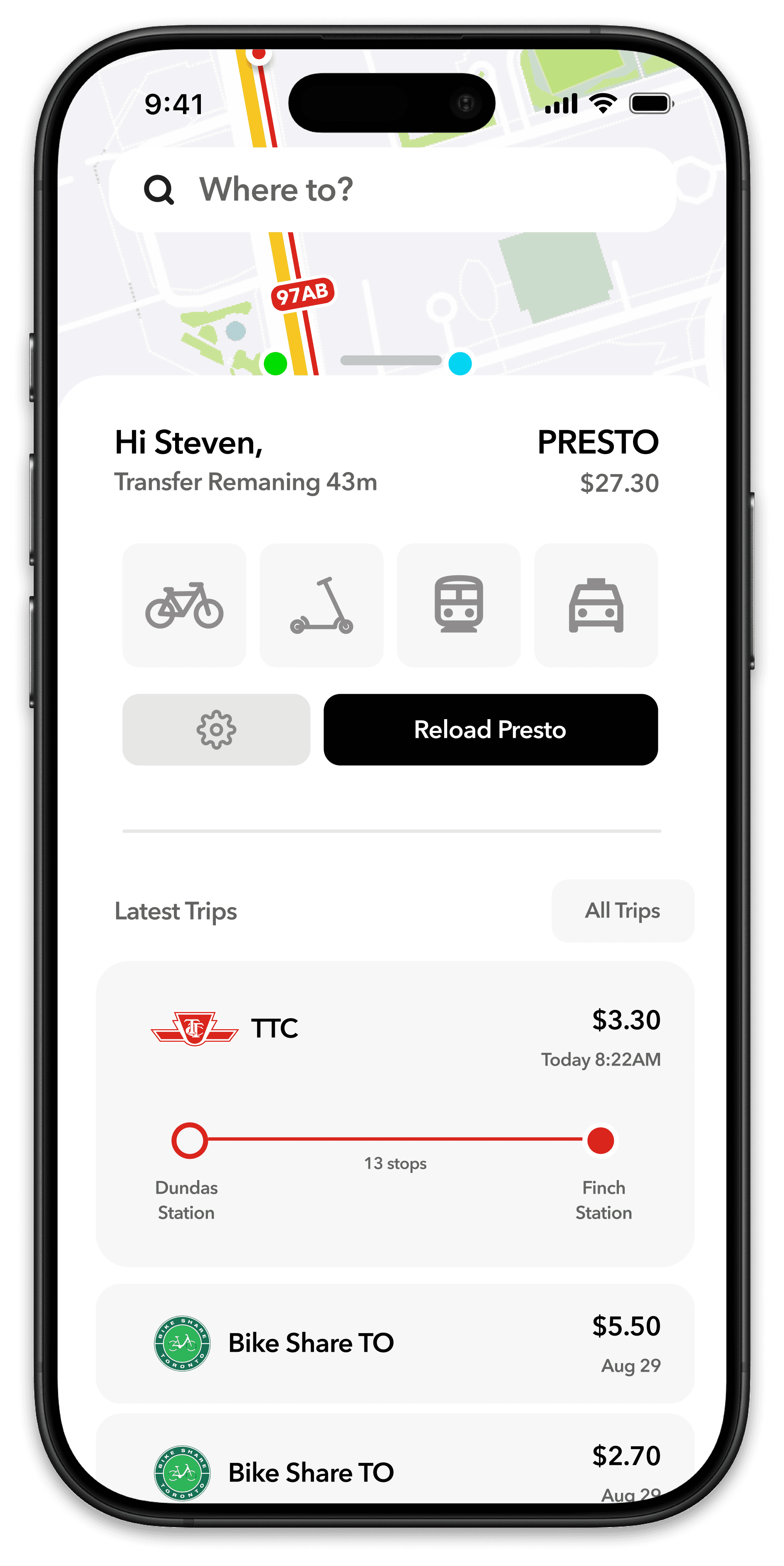
High velocity actions (Navigation, Unlocking) remain on the surface. Low frequency admin tasks (Reloading, History) are tucked in the expandable Detailed View, ensuring the app remains a tool for movement, not management.
Scan Carousel
A swipe interaction toggles providers (Bike Share, Scooter). This keeps the critical Scan to Unlock CTA accessible in a single gesture, preserving screen space while allowing for infinite partner scalability.
Ideation
Wireframing
Balancing Context Vs. Speed
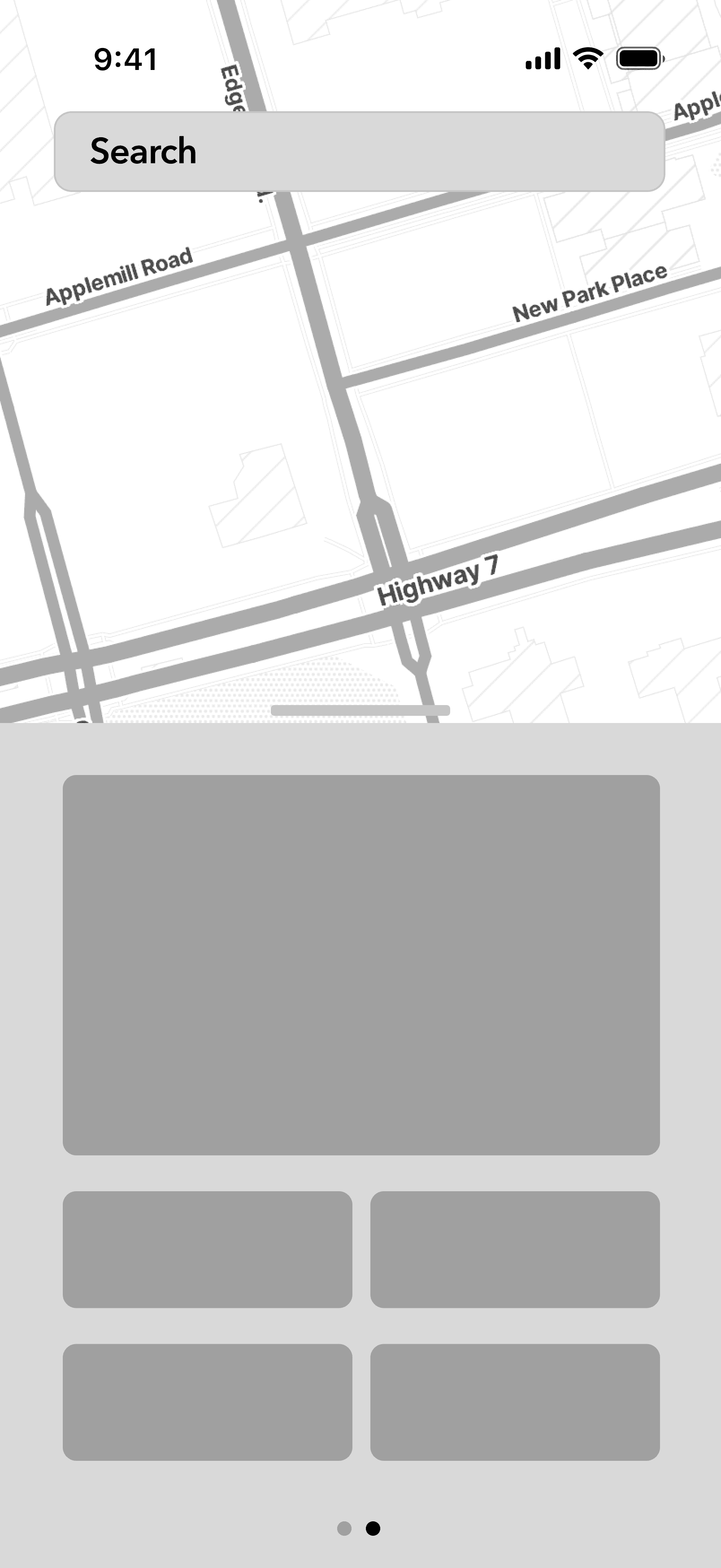
The design challenge was reconciling two competing user needs: the need for spatial orientation (Where am I?) and the need for immediate action (Unlock a bike). Early explorations swung too far in either direction before landing on a hybrid solution.
Two Initial Approaches
1
Pure Exploration (Map First)
While excellent for context, it buried the primary utility (Unlocking/Booking) inside a minimized bottom sheet, creating high interaction cost for commuters who just wanted to ride.

2
Selection
Prioritized
While accessible, it siloed the experience. It forced users to commit to a mode (ex. "Bike Share") before seeing if a bike was actually nearby, violating the "Decision First" principle.

Final Wireframe #3
Third - Hybrid State
3
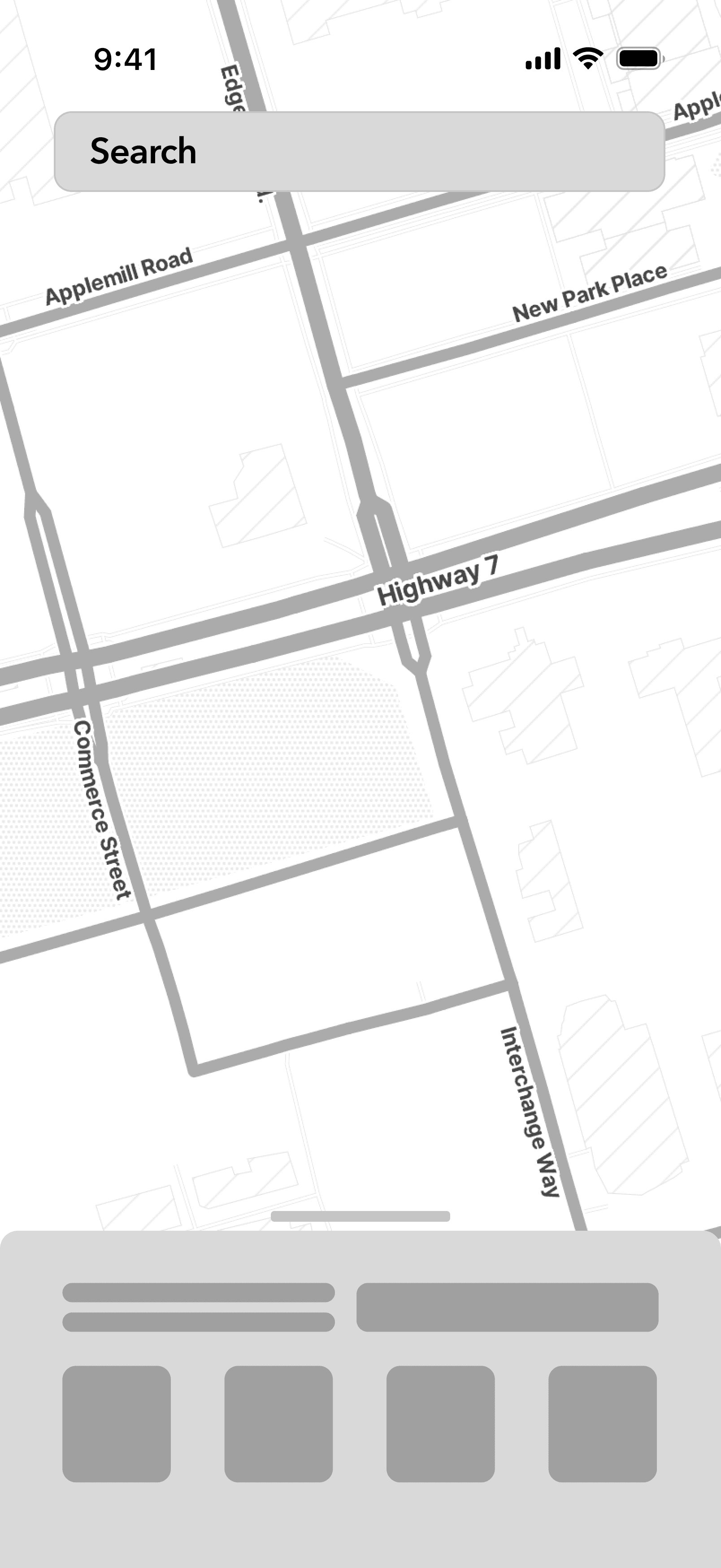
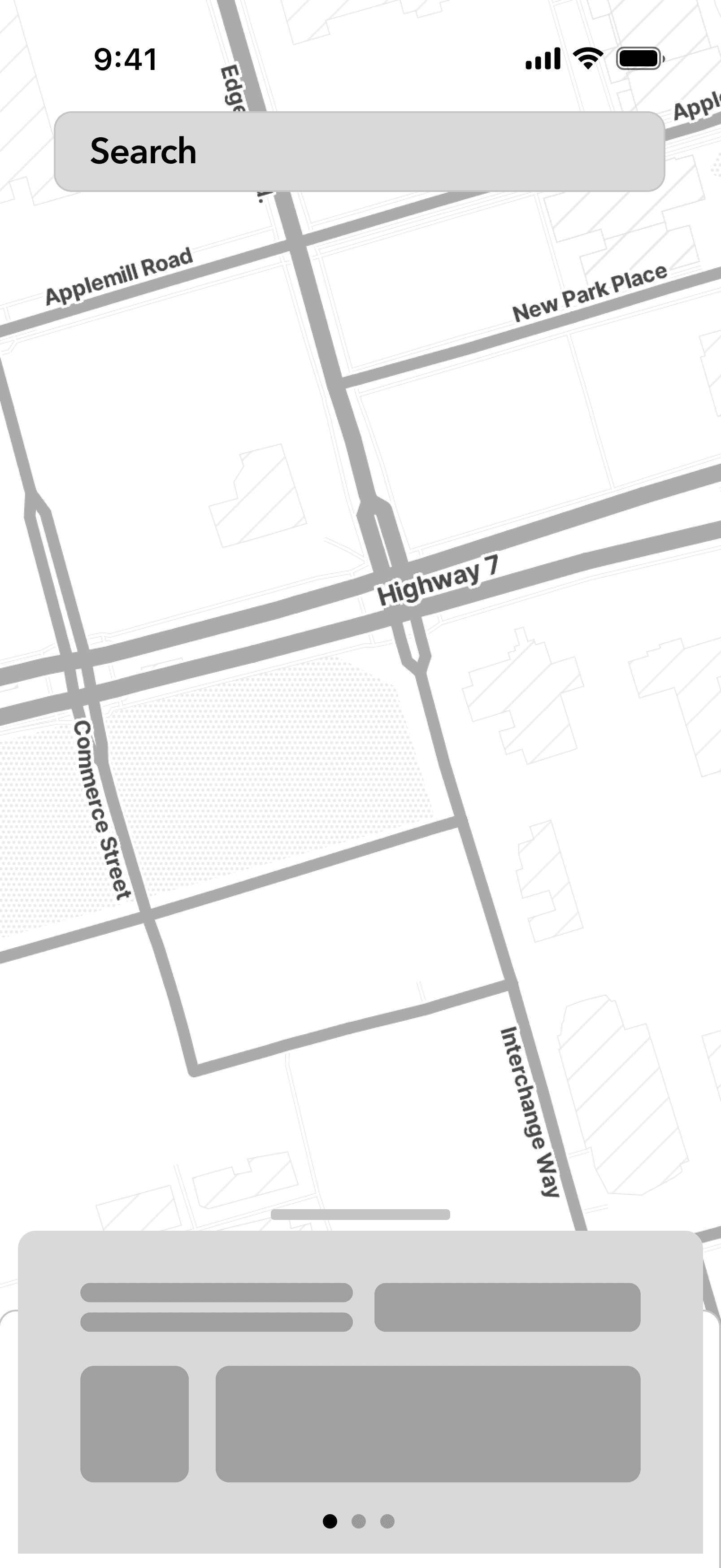
The final direction synthesizes the best of both worlds. It retains the live map for immediate spatial awareness but elevates the "Quick Access" row to the surface level.
It allows for an instant transportation decisions without blocking the user's view of their transfer status or location.

From Theory to Practice
Developing The Approach
Refining Core Flows
Maximizing Function, Minimal Cognitive Load
Developing the hybrid model, the focus was on refining three critical points: the dashboard dynamic state, universal mobility unlocking flow, and multi-modal navigation logic.
Ensuring every transition felt continuous, reducing the cognitive friction of switching between transit modes.

Minimizing Thinking
Integrated Navigation
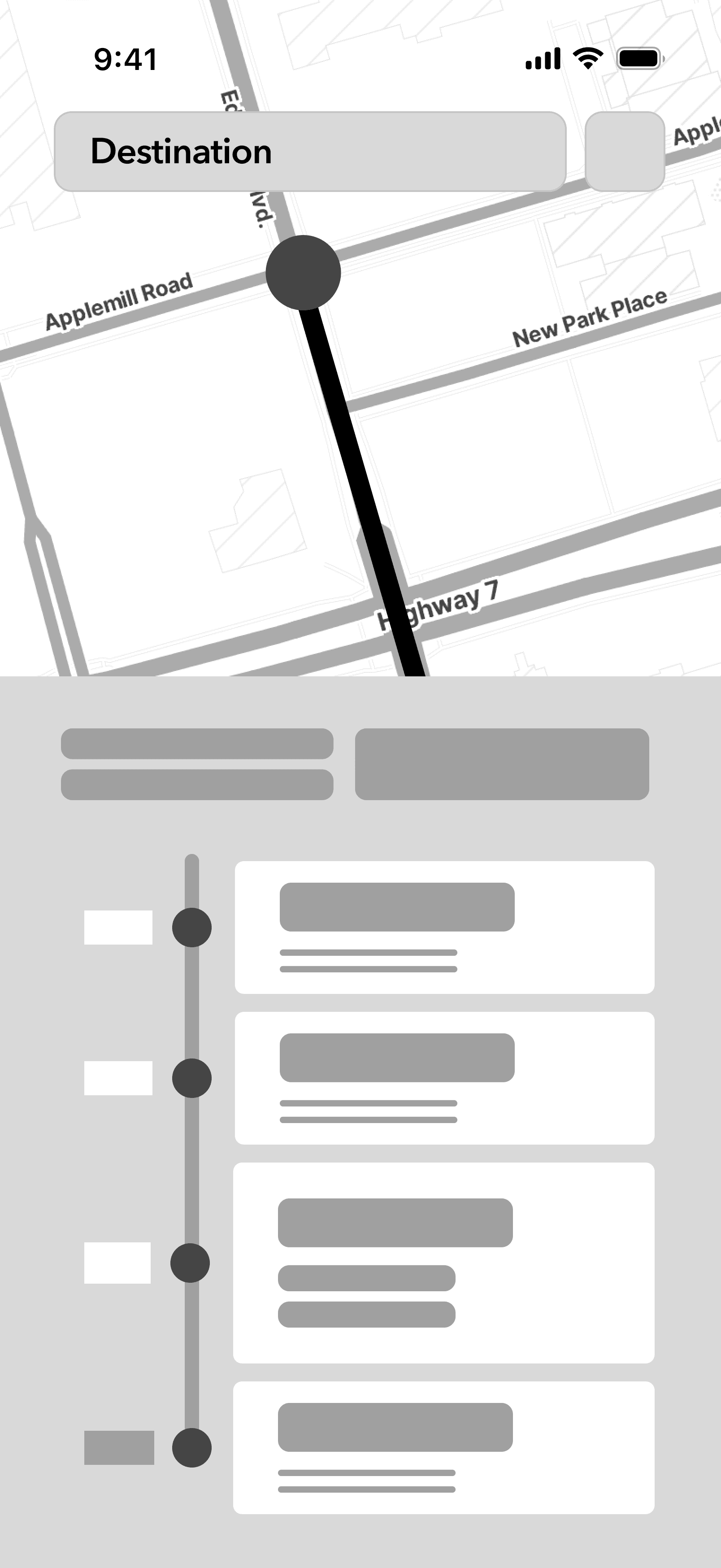
Multi-modal routing is complex
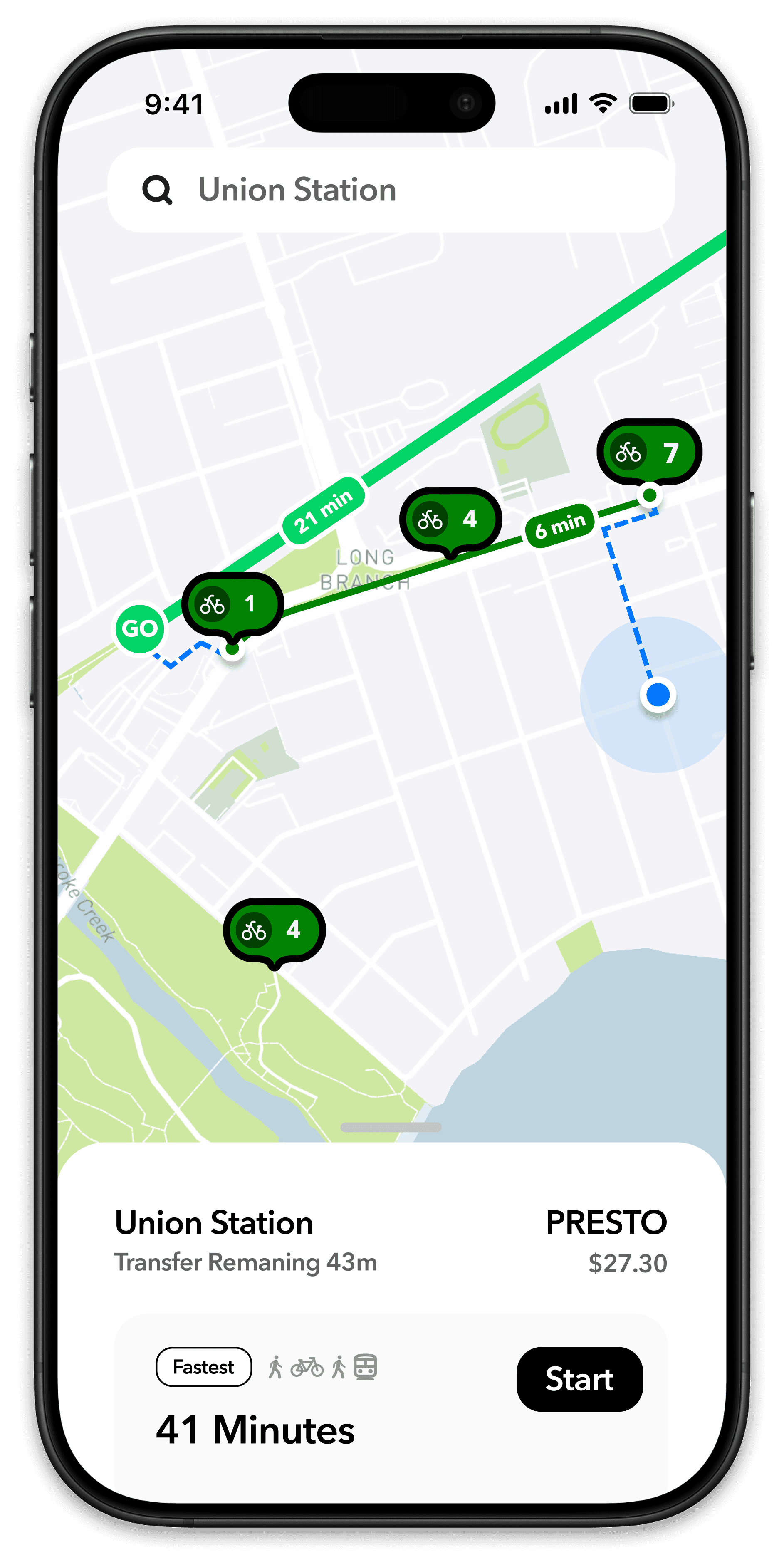
To prevent decision paralysis, I designed the route selection screen to expose the trade-offs explicitly. Instead of a generic list, options are categorized by critical user priority: Fastest, Cheapest, or Optimal.
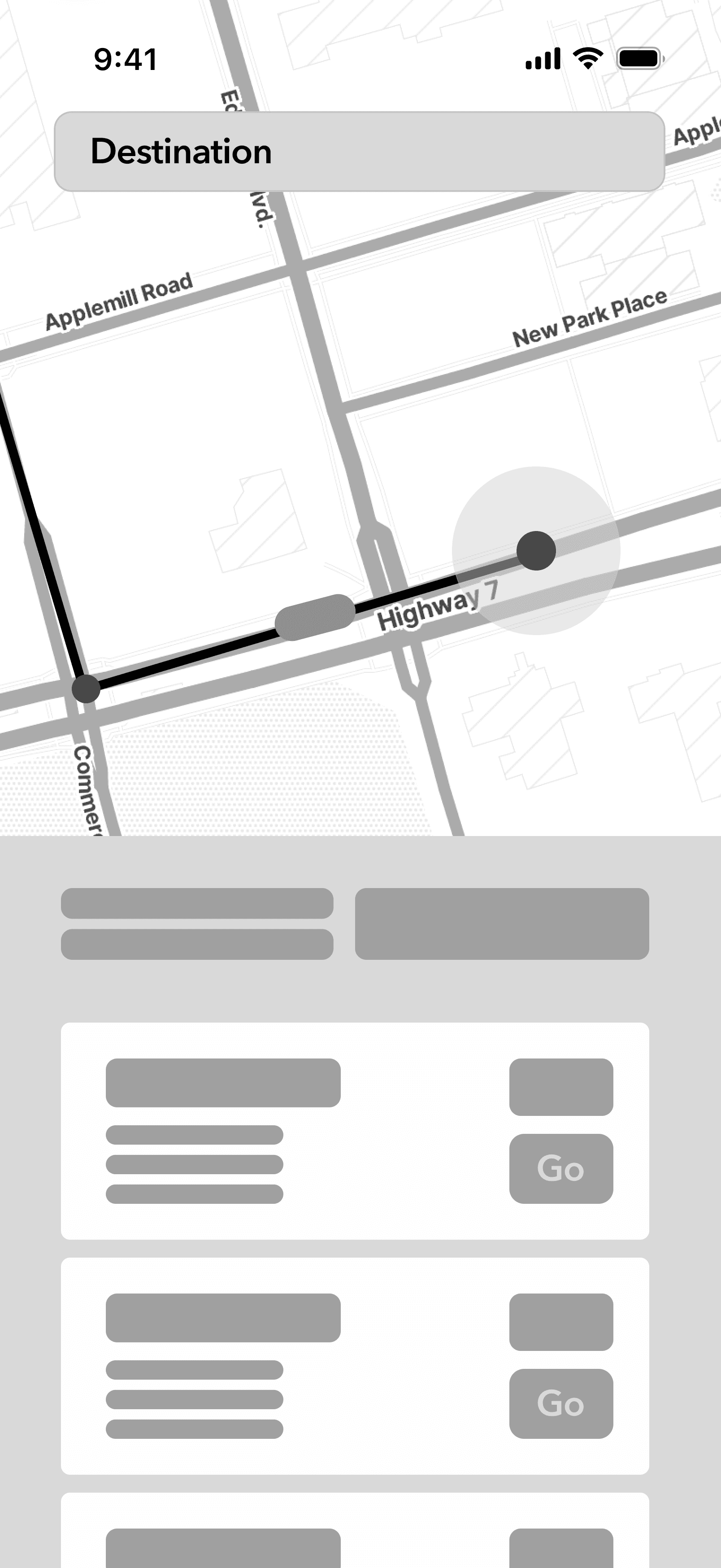
Fastest / Cheapest / Optimal
"Do I have more time
or more money right now?"
Final Design
Building Trust
Features
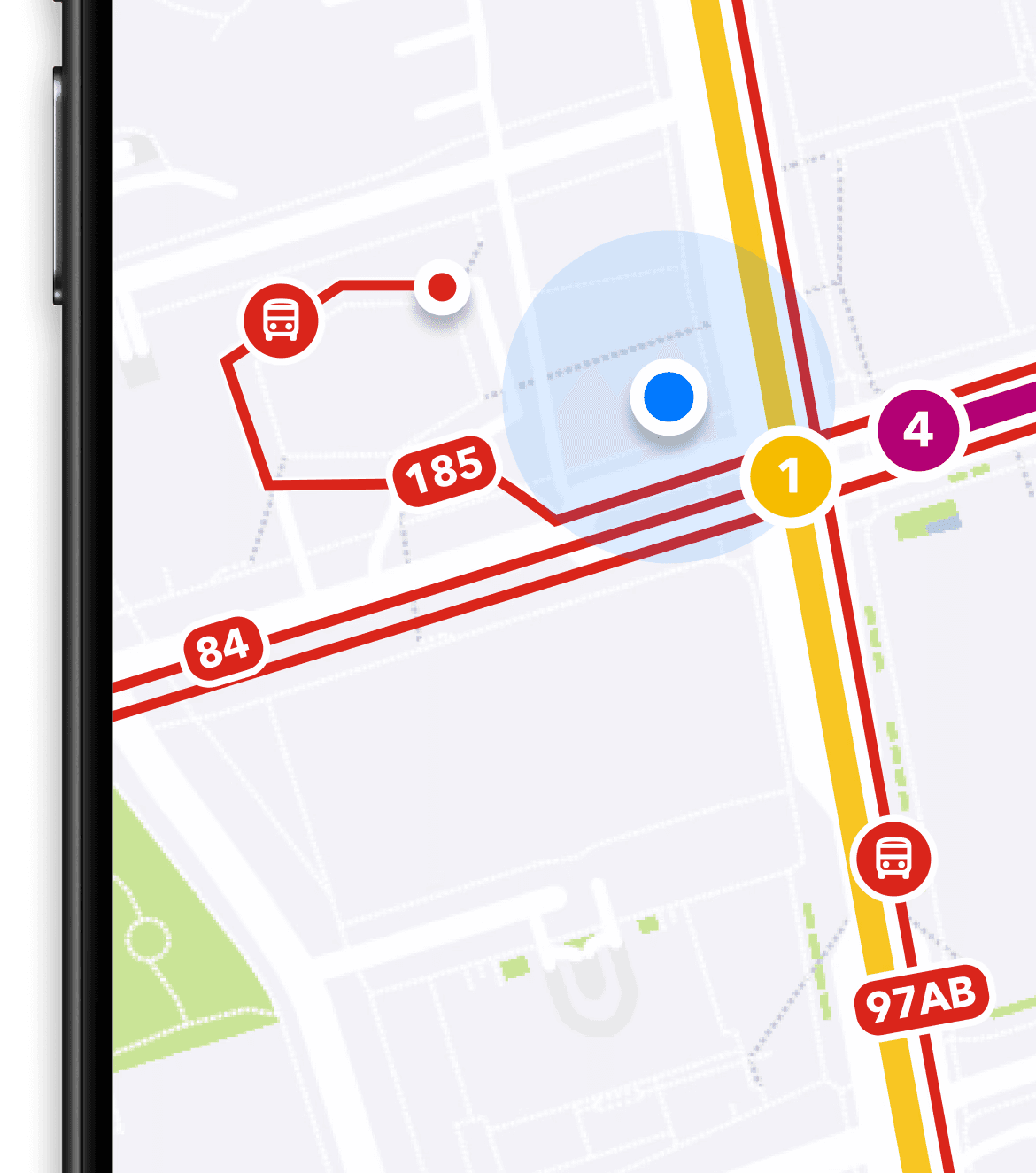
/Live Transfer Timer
/PRESTO Wallet Balance
/Real Time Map view
Information
Architecture
Proactive
Information
Final Design
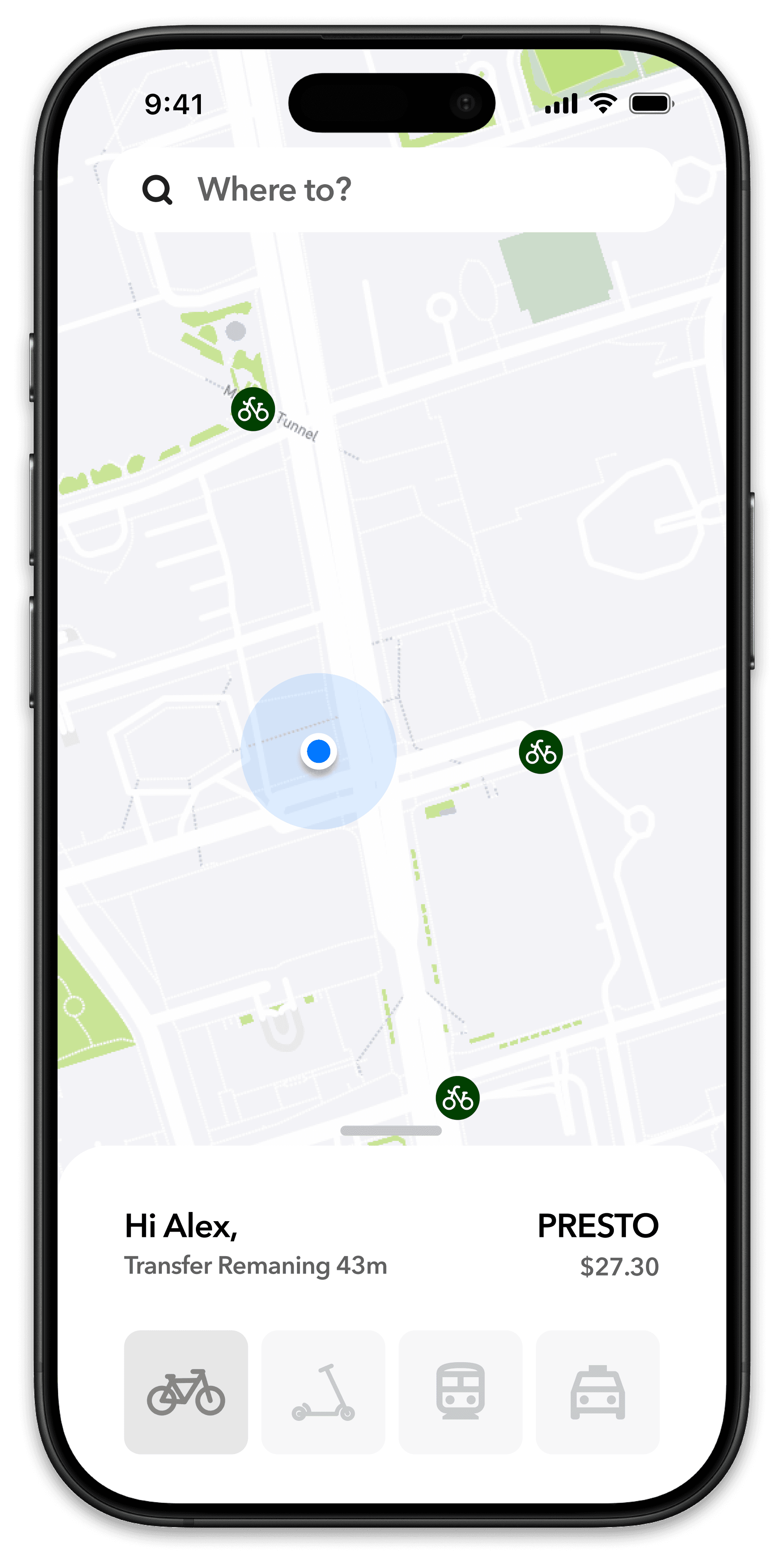
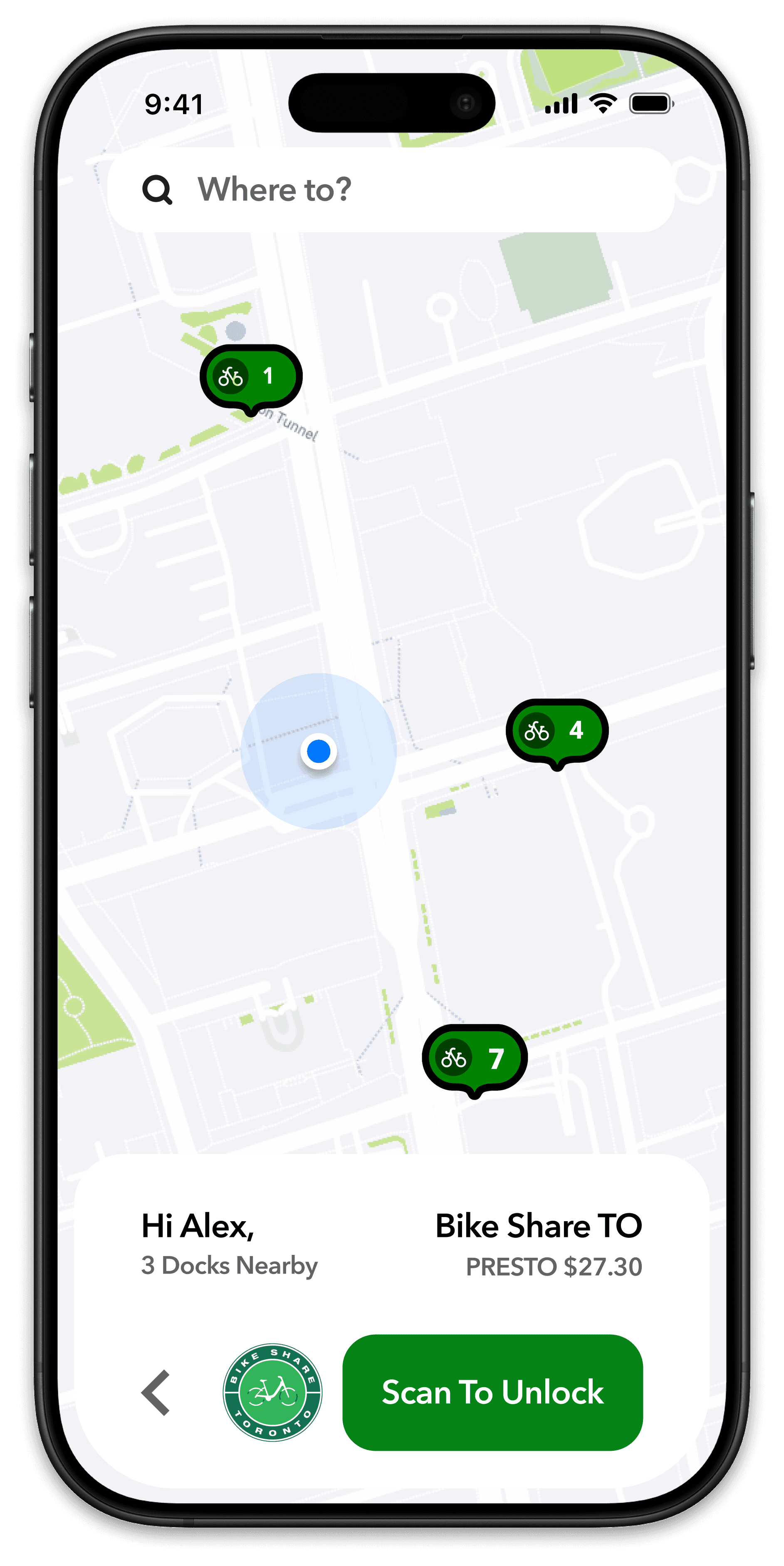
Last Mile Cycling
Features
/Real time Dock Stats /Integrated Unlock API /Proximity Based Context
Information
Architecture
Dashboard
Bike Share
Scan Unlock
Final Design
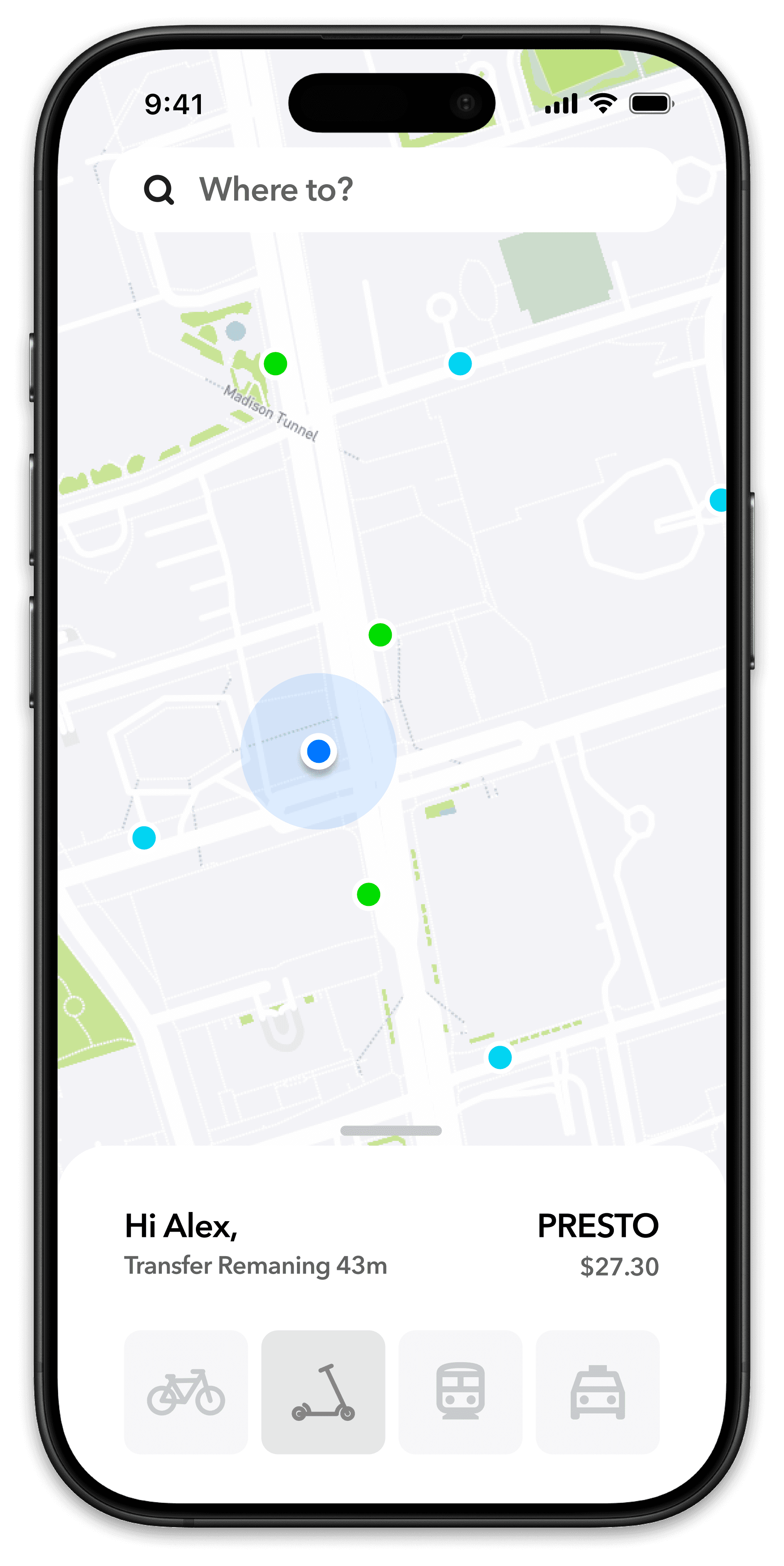
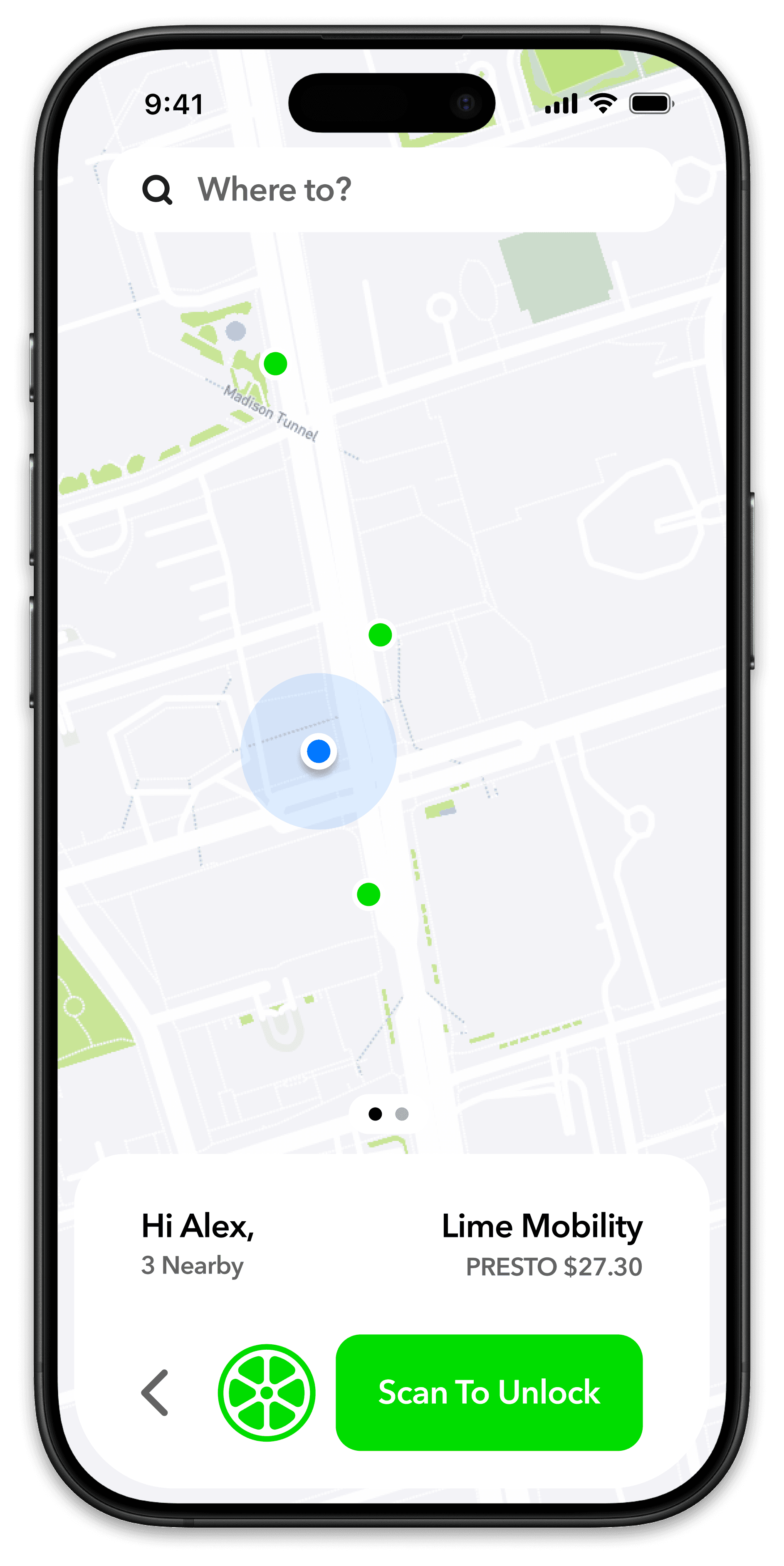
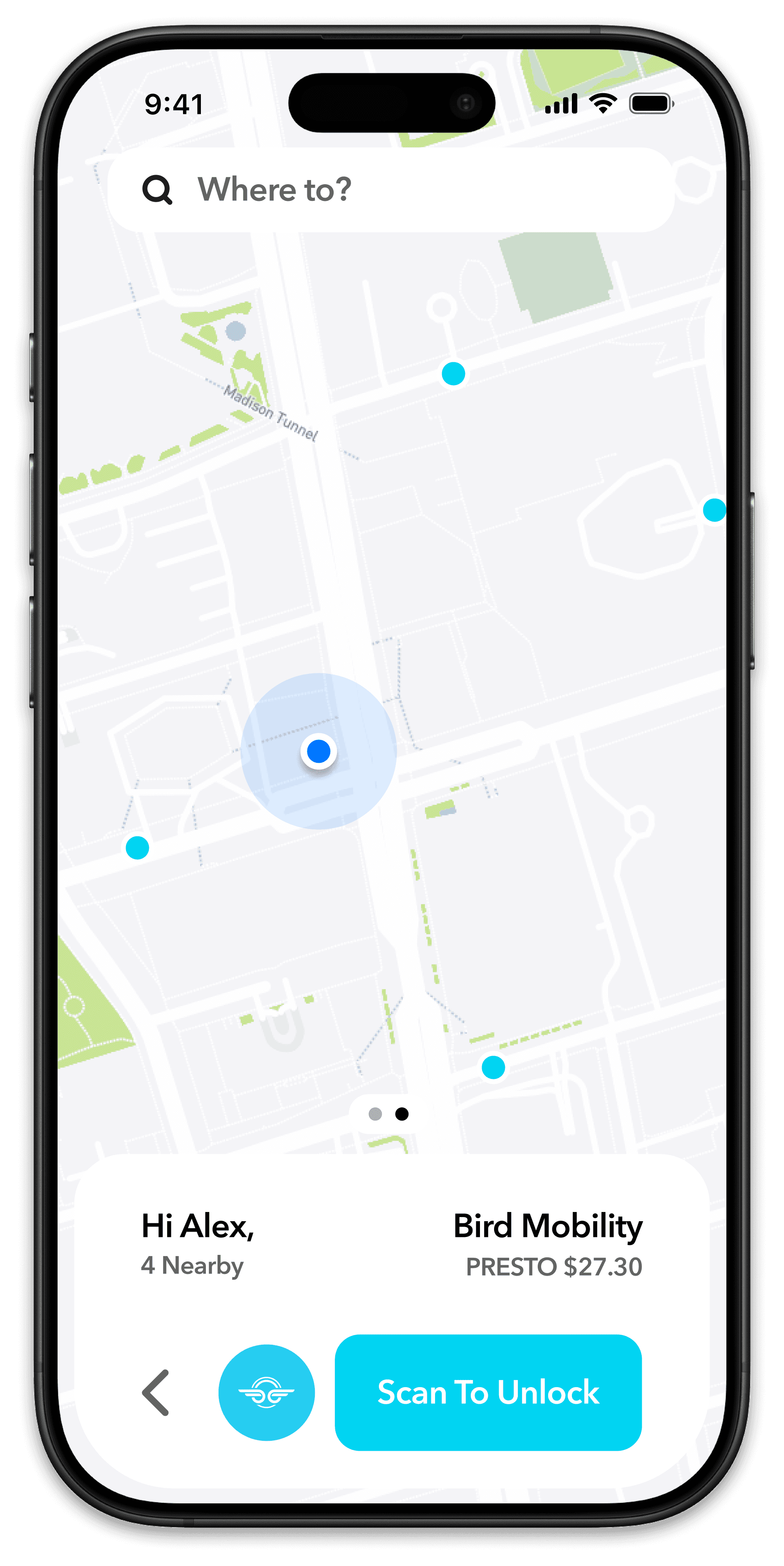
Standardizing Behaviours
Features
/Provider Agnostic UI
/Unified Payment Layer
/Real Time Inventory
Information
Architecture
Dashboard
E-Mobility
Scan Unlock
Final Design
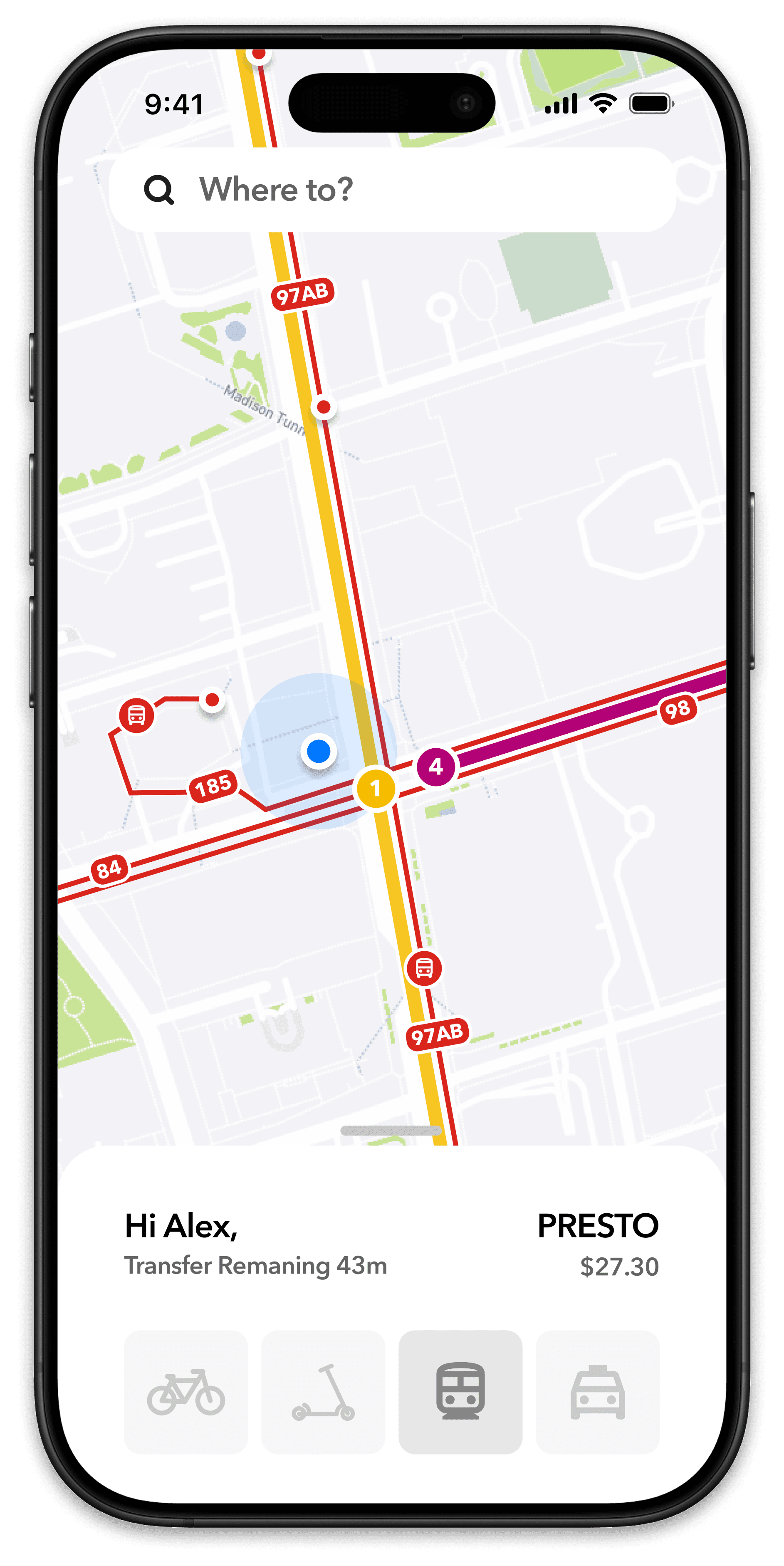
Supporting Habitual Behavior
From Data Overload
To Clear Direction
Features
/Active Line Isolation
/Real Time Vehicle Tracking
/Contextual Stop Data
Information
Architecture
Dashboard
Transit
Final Design
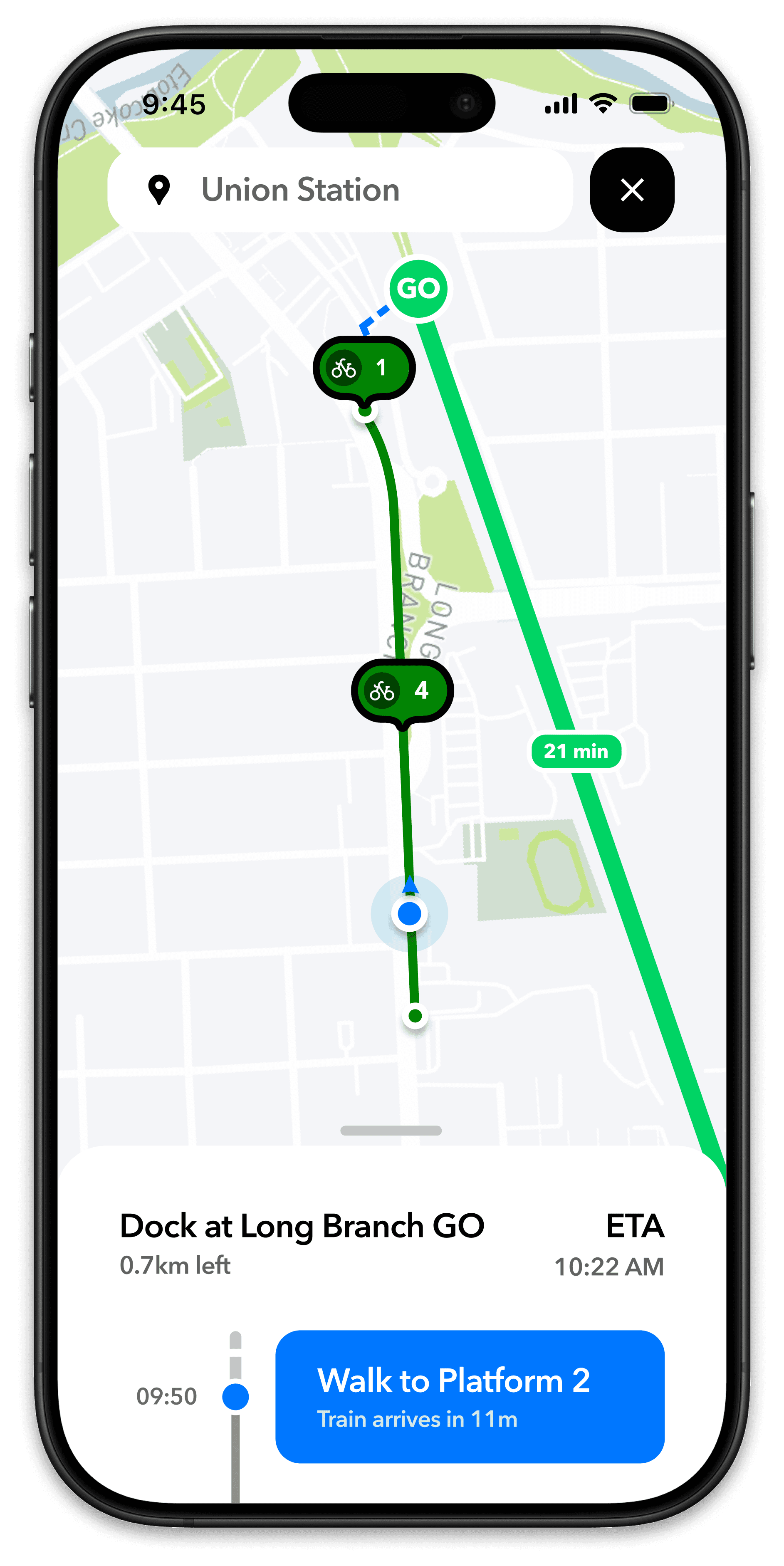
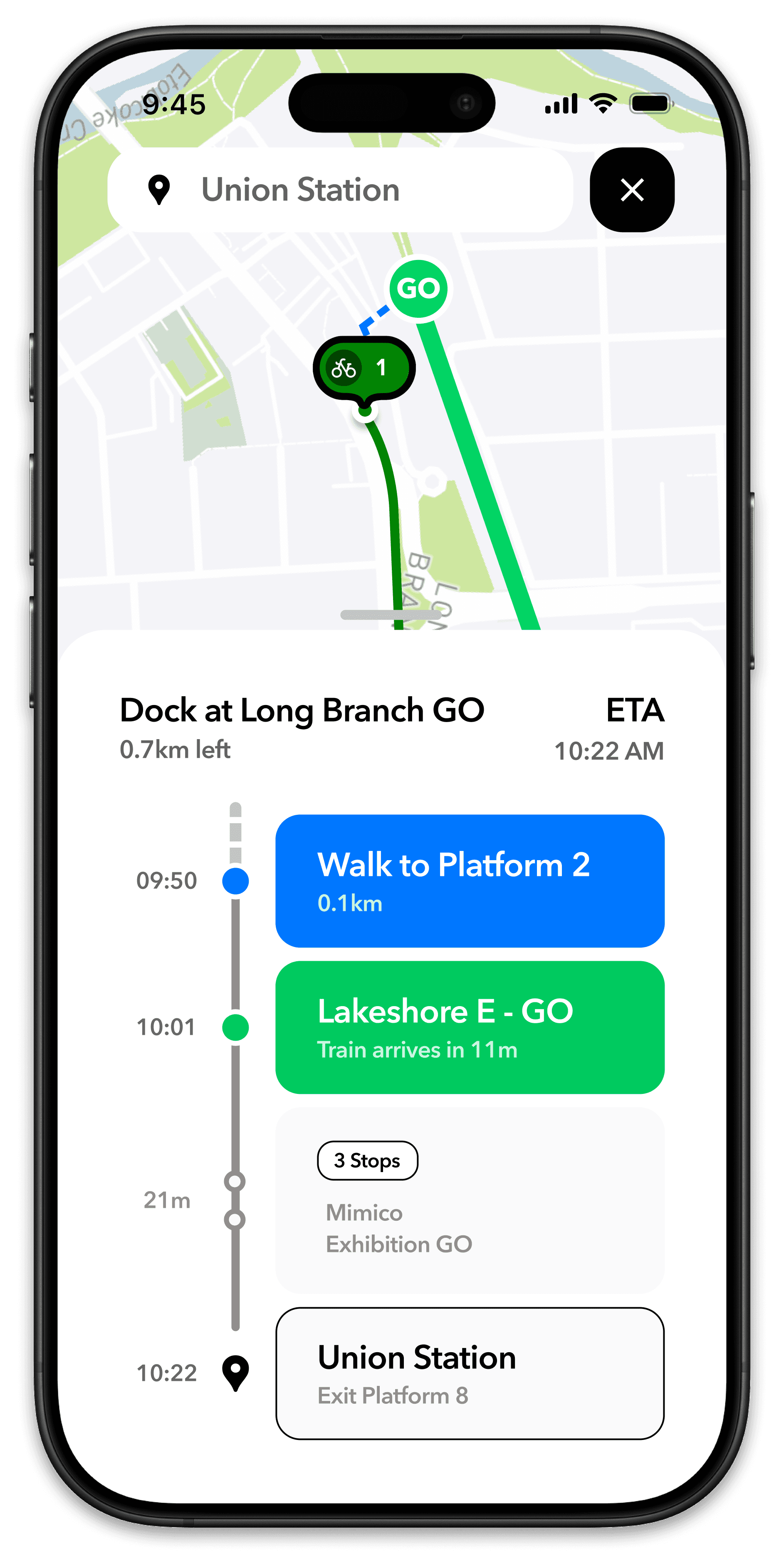
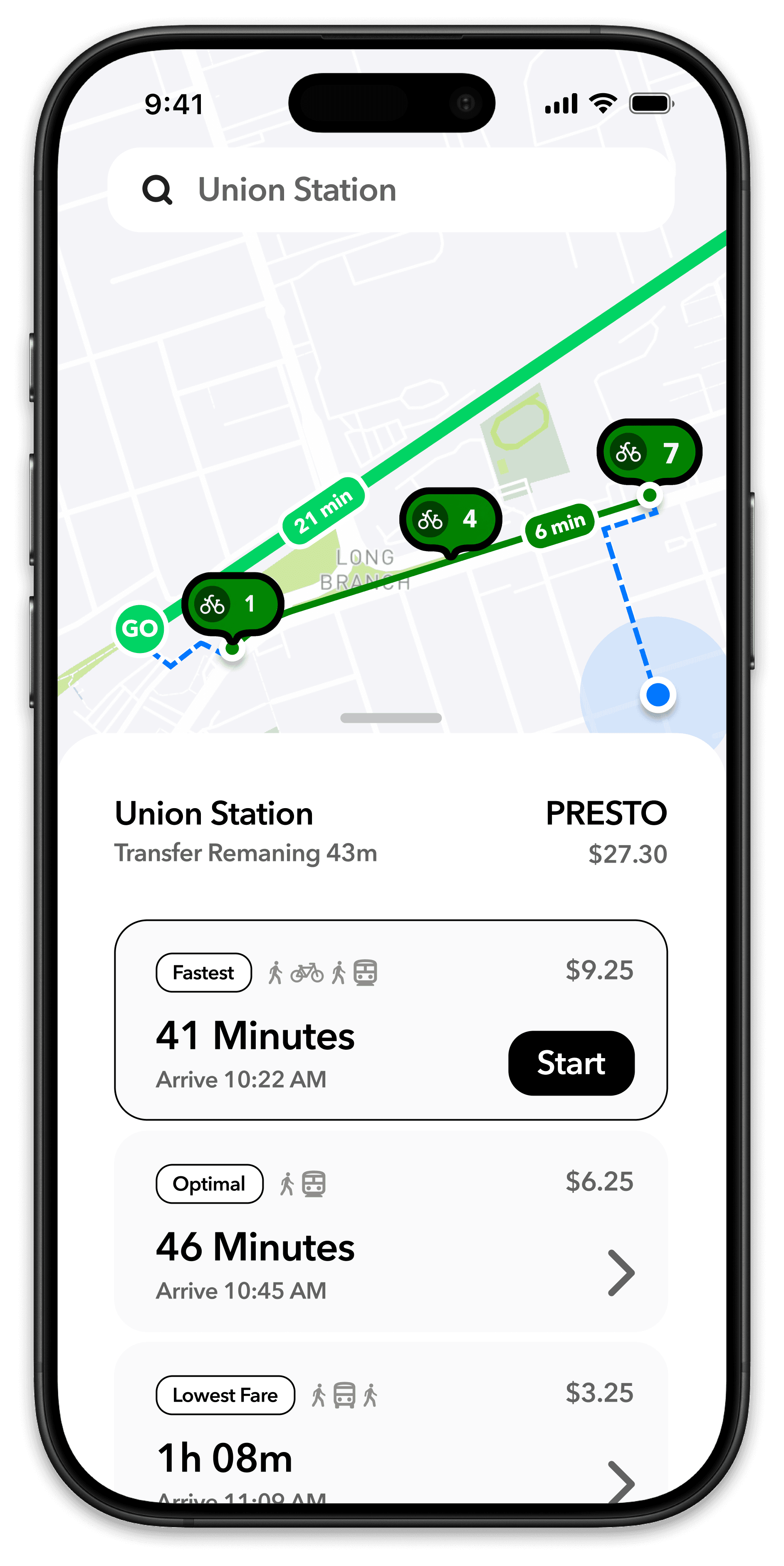
Unified Integrated Services
Clear and Actionable
Decisions at a glance
Features
/Time vs. Cost Sorting
/Multi-Modal Stitching
/Live Step-by-Step
Information
Architecture
Dashboard
Search
Route Select
4/ Reflection
[under construction]
Reflection Coming Soon.